آنتونی رابینز میگه : من در 40 سالگی به جایی رسیدم که برای رسیدن بهش 82 سال زمان لازمه و این رو مدیون کتاب خواندن زیاد هستم.
زبان فایل : انگلیسی
نوع فایل : PDF
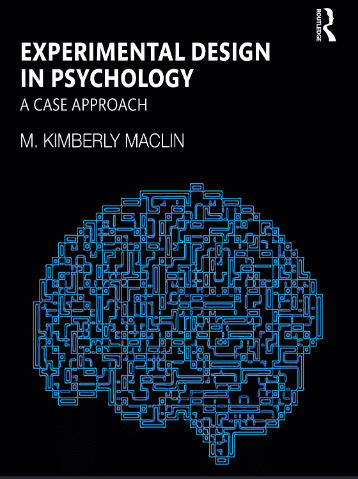
PART I Basic Principles in Experimental Design Some people dread taking the research methods course required for most psychology majors. I’m not sure of all the reasons why but for many they fear the course. It often has a lab compo- nent; at some universities it is worth more credit than regular content courses. It simply often has the reputation of being “hard.” Instead for a moment consider that research methods is exciting! It provides you the tools to be able to conduct your own research. Finally you are in charge and you can study what you want to know. You are explorer scientist puzzle solver. The frst half of this book (Part I) introduces to you the basics of scientifc inquiry including what science is and how psychological science is a subset of it. We’ll discuss how to distinguish between facts theories and speculation and how each are useful for developing research questions. We’ll cover the basics of the scientifc method the specifcs of experimental design and a review of other non-experimental research methods (so you know when it is appropriate to choose the experiment). You will be given insight into how to fnd and read the literature in psychology as well as how to plan design and carry out research. We will also cover the rules and procedures designed to ensure sound ethical and meaningful research. Throughout this material you’ll be exposed to examples from the psychological literature that will allow you to see concepts and principles as they play out in real research studies. And in one particu- lar chapter (Chapter 7) you’ll be prompted to critically analyze experimental designs that have conceptual or technical faws. Being sensitive to mistakes will help you avoid them yourself













نقد و بررسیها
هیچ دیدگاهی برای این محصول نوشته نشده است.